ABOUT THIS EPISODE
What happens when a trigger hits in your relationship—and everything escalates?
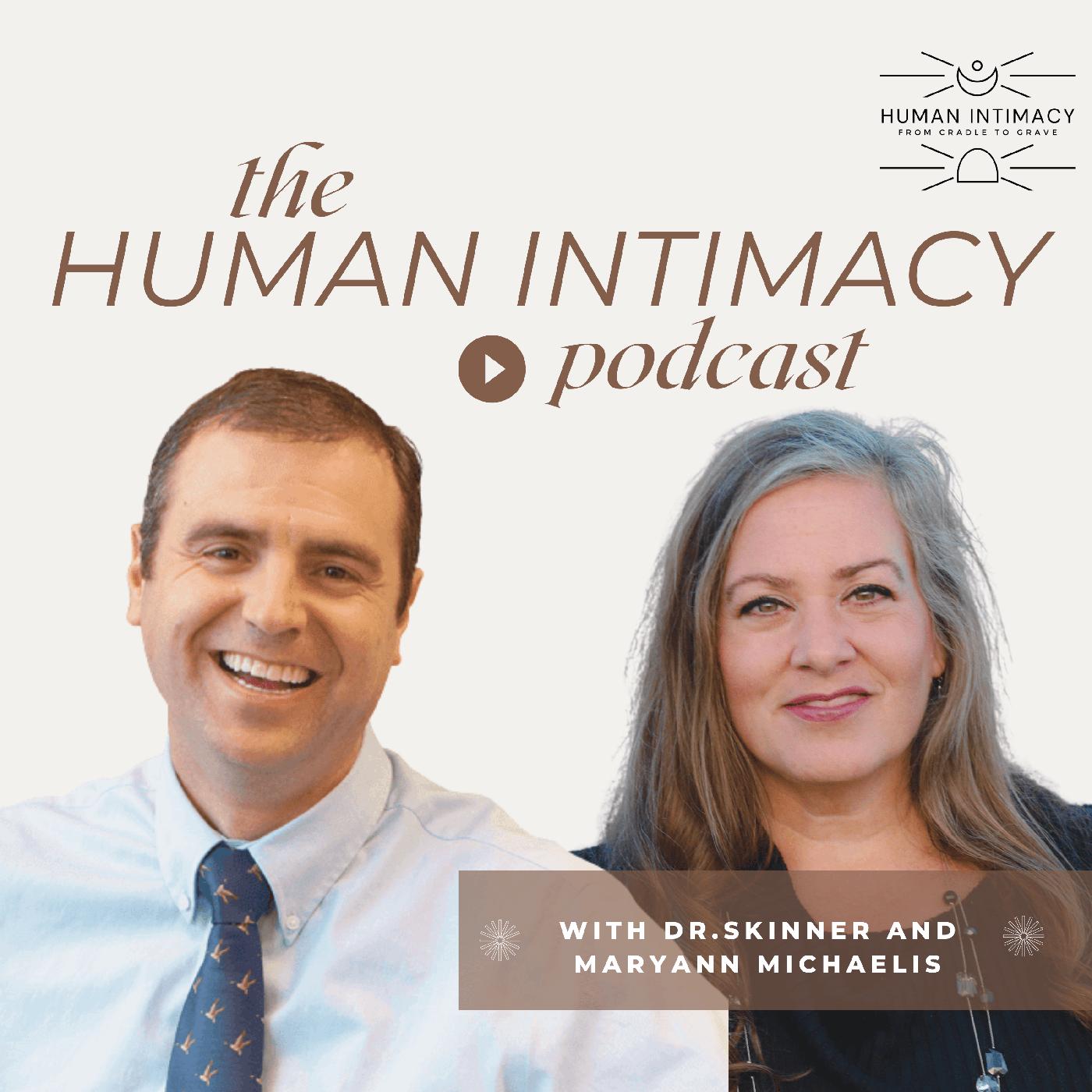
In this episode of the Human Intimacy Podcast, Dr. Kevin Skinner and MaryAnn Michaelis break down what they call “crucial moments”—those intense emotional experiences where couples either move toward healing or fall back into painful patterns.
If you’ve ever found yourself stuck in the same argument, feeling unheard, or overwhelmed by emotional reactions, this episode will help you understand why those patterns happen—and how to change them.
Why Triggers Feel So OverwhelmingWhen a trigger hits, your brain shifts into survival mode. The amygdala activates, your nervous system becomes dysregulated, and your ability to communicate effectively drops.
This is why:
-
Conversations escalate quickly
-
You repeat the same arguments
-
You feel misunderstood or dismissed
-
Your partner becomes defensive or shuts down
Key Insight:
You cannot create connection when your body is in a fight-or-flight state.
Most couples try to fix the relationship while they’re emotionally flooded.
Dr. Skinner emphasizes a critical principle:
Stabilize yourself first. Then engage your partner.
Without emotional regulation, even the best communication tools won’t work.
Common Mistakes Couples Make During ConflictMany couples unknowingly reinforce disconnection during triggers. Watch for these patterns:
1. Marathon ConversationsTrying to resolve everything in one conversation while both partners are overwhelmed
2. Defensiveness Disguised as EmpathyStatements like:
-
“I didn’t mean to hurt you”
-
“I’m sorry you feel that way”
These often feel minimizing instead of supportive
3. Relying Only on Your Partner for RegulationExpecting your partner to calm you down when they may also be triggered
4. Repeating the Same CycleHaving the same argument over and over without new tools or awareness
How to Respond in Triggered Moments (What Actually Works) 1. Pause and RegulateBefore responding, ask yourself:
-
Am I emotionally stable right now?
-
Is my body calm enough to have this conversation?
If not, step away and regulate first.
2. Use Outside SupportSometimes your partner is not the right person in that moment to help you regulate.
Consider:
-
A trusted friend
-
A support group
-
A mentor or sponsor
This can help you return to the conversation with clarity.
3. Shift from Reactivity to CuriosityInstead of reacting, try:
-
“Help me understand what you’re experiencing”
-
“Tell me more about what you’re feeling”
This lowers defensiveness and builds connection.
4. Take Responsibility for Your Emotional ResponseYour emotions are valid—but how you express them matters.
Healthy communication includes:
-
Emotional honesty
-
Self-awareness
-
Respectful expression
After betrayal or disconnection, couples often fall into power imbalances:
-
One partner holds information or control
-
The other feels uncertain, hurt, or reactive
True healing requires moving away from:
-
“One-up / one-down” dynamics
And toward:
-
Mutual honesty, vulnerability, and accountability
If you feel like you’re not making progress, it’s often due to:
-
Incomplete or staggered disclosure
-
Lack of emotional regulation skills
-
Repeating patterns without addressing root issues
-
Avoiding deeper vulnerability
Key Insight:
Without new skills, the same patterns will continue—no matter how much you talk.
Healing doesn’t come from saying more—it comes from learning how to show up differently.
That includes:
-
Regulating your nervous system
-
Communicating with clarity and compassion
-
Practicing new patterns consistently
-
Building emotional safety over time
-
You cannot be relational when you are emotionally dysregulated
-
Personal stabilization is the foundation of relationship repair
-
Triggers require skillful responses, not reactive ones
-
Both partners play a role in creating change
-
Progress comes from practice, not just insight
-
Intimacy Repair Method (IRM) Course
-
Emotional Regulation & Nervous System Awareness
-
Structured Disclosure Process
-
Role Play Practice for Communication Skills
If your relationship feels stuck in repetitive conflict, you don’t have to keep guessing.
The Intimacy Repair Method Course provides a step-by-step process to help couples:
-
Rebuild trust
-
Improve communication
-
Create lasting emotional connection
📩 Have questions or topics you’d like us to cover?
Email: info@humanintimacy.com